How to set up online installments on your website in Uzbekistan: Uzum Nasiya and Alif
A practical checklist for integrating online installment plans: connecting Uzum Nasiya and Alif, meeting tax receipt compliance, and avoiding cash flow gaps.
To offer online installment plans on your website in Uzbekistan, your store needs an agreement with a BNPL service (Uzum Nasiya or Alif), an API setup for transferring checkout cart data, and proper fiscal tagging on every receipt to show the purchase was made on credit. The providers absorb all non-payment risks and settle payouts to your bank account within 1–3 business days. Gateway development and integration typically take 5 to 14 business days, depending on how ready your checkout and billing systems are.
At a glance
- Nearly 40% of orders on Uzum Market are paid using Uzum Nasiya installment plans, according to company leadership data (finteqstan.com).
- Customer spending limits reach up to 25–35 million UZS (so'm) with Uzum Nasiya and up to 33 million UZS (so'm) with Alif Nasiya over terms of 3 to 24 months (uzumnasiya.uz).
- Providers transfer order totals directly to your business account within 1–3 banking days, net of commission (business.alif.uz).
- When registering receipts via virtual cash registers (online-KKM), Soliq regulations require specifying the payment type as "installment / credit", adding product MXIK codes, and recording the 12% VAT rate (gov.uz).
Why an online store needs installment plans
For orders exceeding 1–2 million UZS (so'm)—such as furniture, smartphones, computers, or appliances—paying the full price upfront is often a dealbreaker. Shoppers will either leave to save money or head over to a marketplace where split payments are one click away. BNPL ("Buy Now, Pay Later") platforms bridge this gap: the customer applies using their passport or ID card via remote scoring, while your store gets a guaranteed payout.
Comparing key installment providers
| Provider | Customer limit | Payment terms | Payout timeline to store | Best suited for |
|---|---|---|---|---|
| Uzum Nasiya | Up to 25–35 million UZS (so'm) | 3, 6, 12 months | 1–3 banking days | Broad B2C retail, consumer electronics, apparel, home goods |
| Alif Nasiya (Alif Business) | Up to 33 million UZS (so'm) | 3 to 24 months | 1–3 banking days | High-end tech, custom PC builds, furniture, building materials |
According to official documentation (uzumnasiya.uz, business.alif.uz), borrower evaluation uses MyID verification and salary card turnover. The biggest advantage for online merchants is that credit default risks fall entirely on the finance provider.
Checklist: what to prepare before briefing developers
- Legal documents. An active legal entity (LLC or sole proprietorship) with an account at a bank in Uzbekistan. Service contracts are finalized via national electronic document platforms (Didox, E-imzo).
- Product catalog with MXIK codes. Every item in your store database must carry a valid 5- or 17-digit MXIK (IKPU) code and unit of measurement. Payment gateways cannot build fiscal receipt data without them.
- VAT compliance. In line with Tax Committee regulations in the Republic of Uzbekistan, the current VAT rate is 12% (gov.uz). Your API payload must explicitly declare the merchant's tax status (12% VAT or VAT-exempt).
- Clear return policies. BNPL providers require your website to post a public offer, delivery terms, and a clear cancellation procedure.
Checklist: technical integration requirements
- Two-phase order status API. Installments operate in two distinct steps: approval with balance reservation (Hold) followed by final debit confirmation (Confirm). You should only trigger final capture once the warehouse confirms the products are packed and ready.
- Inventory locking. If an application takes 15 minutes to complete, items in the cart must be held in reserve so another shopper cannot purchase them in the meantime.
- Fiscalization with Soliq. Per Tax Committee rules (gov.uz), split payments submitted via virtual cash registers or POS devices must be tagged as "installment / credit". Recording this as a standard debit card transaction triggers audit discrepancies during tax reconciliation. Documentation from Uzum Bank and Alif provides exact schemas for fiscal fields (developer.uzumbank.uz).
- Handling refunds and cancellations. Returning an item bought on installment runs through a dedicated API call. Never issue cash refunds directly to the buyer: the lender cancels the payment schedule and adjusts any processed processing fees accordingly.
If you are just starting
If you are opening an online storefront, avoid overcomplicating things with custom payment gateways right away. In our experience, setting up a standard module for a common CMS usually costs between 4,000,000 and 9,000,000 UZS (so'm) and takes about 1 to 2 weeks.
- Register a merchant account in Uzum Nasiya or Alif Business.
- Check whether your CMS offers a prebuilt plugin. Most popular platforms have ready-made plugins that just need your API credentials.
- Add MXIK codes to your top 20–30 high-ticket products first. You do not need to update your entire inventory on day one—start with items that benefit most from financing.
- Run test transactions in the sandbox environment before going live.
If your business is already running
For high-volume merchants with hundreds of daily orders, an integrated 1C system, or a proprietary CRM, adding installment options requires segregating payment workflows. Developing end-to-end integration across your website, mobile app, and inventory system generally runs between 12,000,000 and 28,000,000 UZS (so'm) and takes 3 to 5 weeks.
- Separate fiscalization queues: standard card payments via Payme and Click run on standard tags, while installment orders must carry credit markers.
- Automate deal capture on dispatch: trigger the API Confirm call strictly when the order is handed over to the courier.
- Train your support and sales teams: make sure staff can explain that order cancellations take several banking days for lenders to finalize on the customer statement.
A real case: Brandstore.uz
An online computer and gaming store noticed that cart abandonment was high on premium PC builds (brandstore.uz). The team added online installment plans via Alif Nasiya and Uzum Nasiya spanning 1 to 24 months with identity scoring through MyID. Shoppers can now complete the entire financing application in 15–30 minutes during checkout, while the company receives direct payouts on delivery without running an in-house credit department.
A real case: Dafna.uz
One of Uzbekistan's largest furniture retailers with showrooms nationwide introduced 6- and 12-month online plans powered by Uzum Nasiya (dafna.uz). Customers can purchase complete furniture sets up to 25–35 million UZS (so'm) with zero down payment and SMS approval, skipping bank visits entirely. This enabled the brand to shift a significant portion of its big-ticket furniture sales directly into its digital storefront.
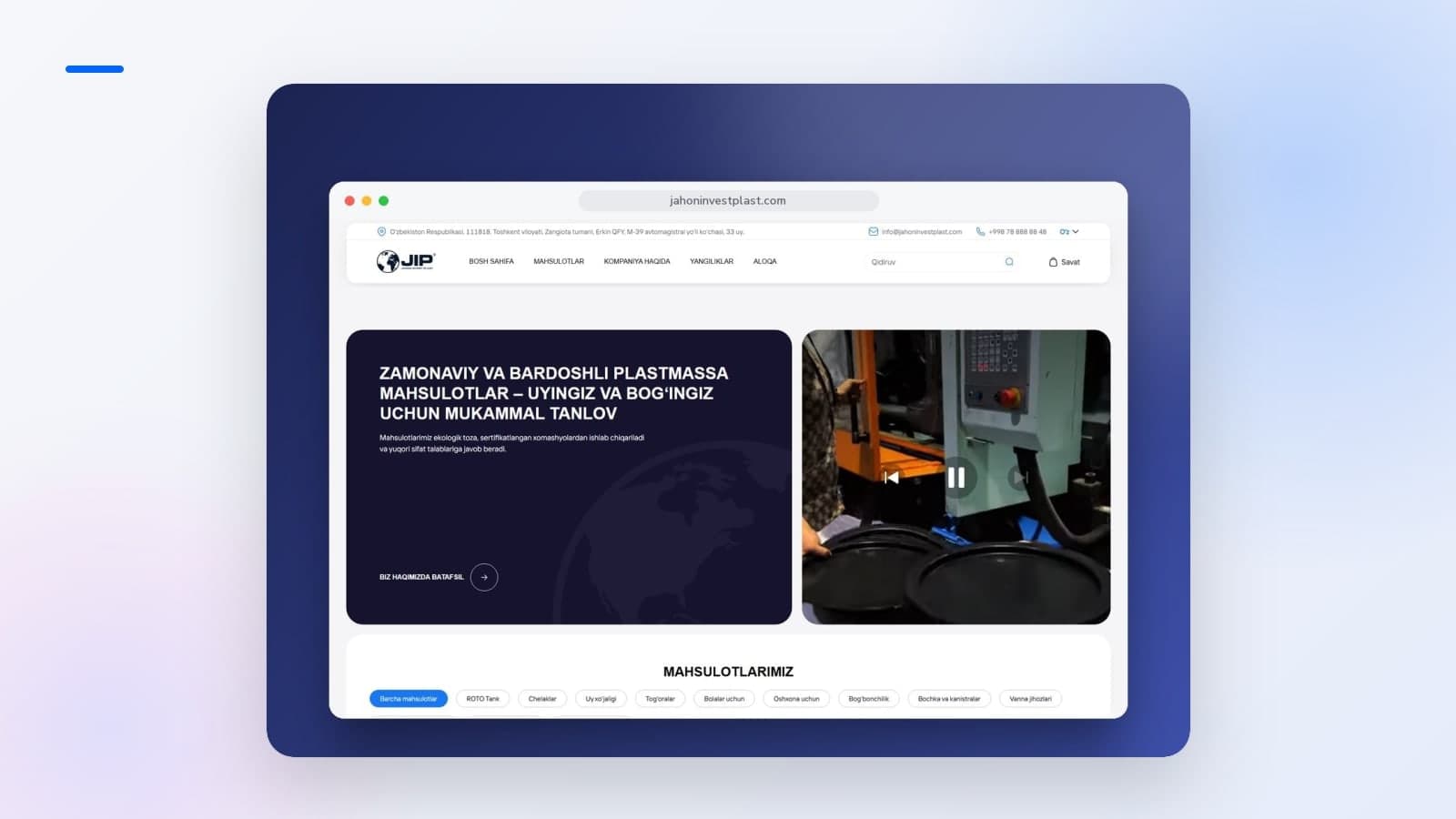
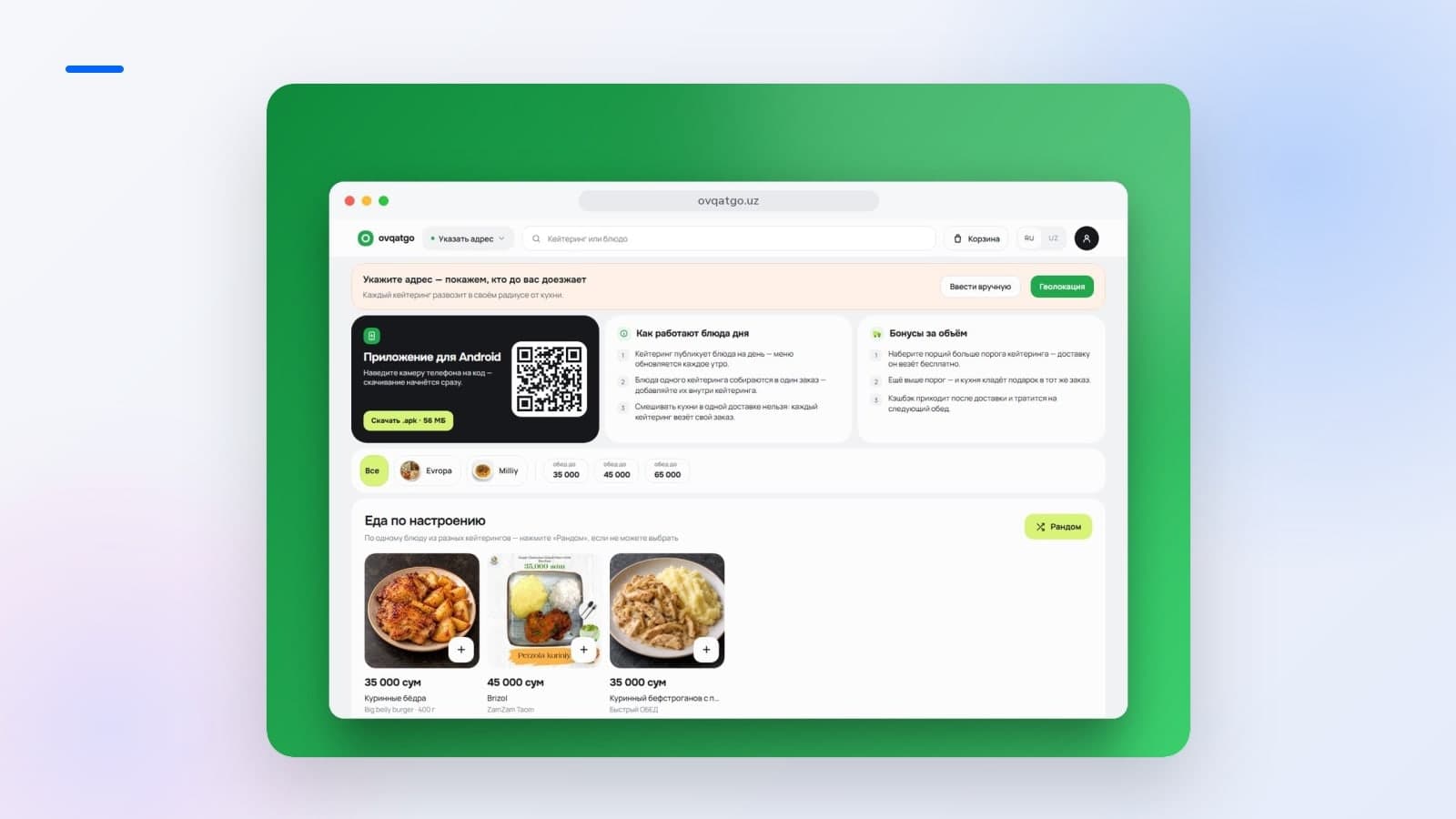
When we build e-commerce solutions at NDC, such as OvqatGo or the multilingual catalog with cart functionality for Jahon Invest Plast, we always design architectures prepared for multi-channel payment logic. Read more about our deployment workflow under Online store development.
Frequently asked questions
How long does it take to connect Uzum Nasiya or Alif to an online store?
Compliance and legal review by fintech providers usually takes 2 to 5 business days. Once that is approved, plugin configuration and fiscalization setup take about one working week if your platform's API is ready.
Who pays the transaction fee for installment plans?
Under a typical BNPL model, the merchant covers the fee: the service keeps an agreed percentage from the order total, and the customer repays the retail price in equal parts. In plans with consumer interest rates, the financing cost is carried by the shopper.
What happens if a customer defaults on their payments?
The lending institution absorbs all non-payment and default risks (business.alif.uz). Your store receives the full payout within 1–3 business days after completing the sale and is never held responsible for subsequent customer collections.
If you want to integrate online installments, modernize your payment gateway, or launch an e-commerce platform with automated receipt fiscalization, get in touch with us via contacts. We will review your project scope and implement an integration that prevents receipt errors and protects your working capital.
Sources
- Dafna.uz · dafna.uz
- Brandstore.uz · brandstore.uz
- Uzum Nasiya — сервис рассрочки для партнеров
- Alif Business — подключение рассрочки Alif Nasiya для бизнеса
- Документация для разработчиков Uzum Bank API (Nasiya and Fiscalization)
- Налоговый комитет Республики Узбекистан — требования к фискальным чекам онлайн-ККМ
- finteqstan.com