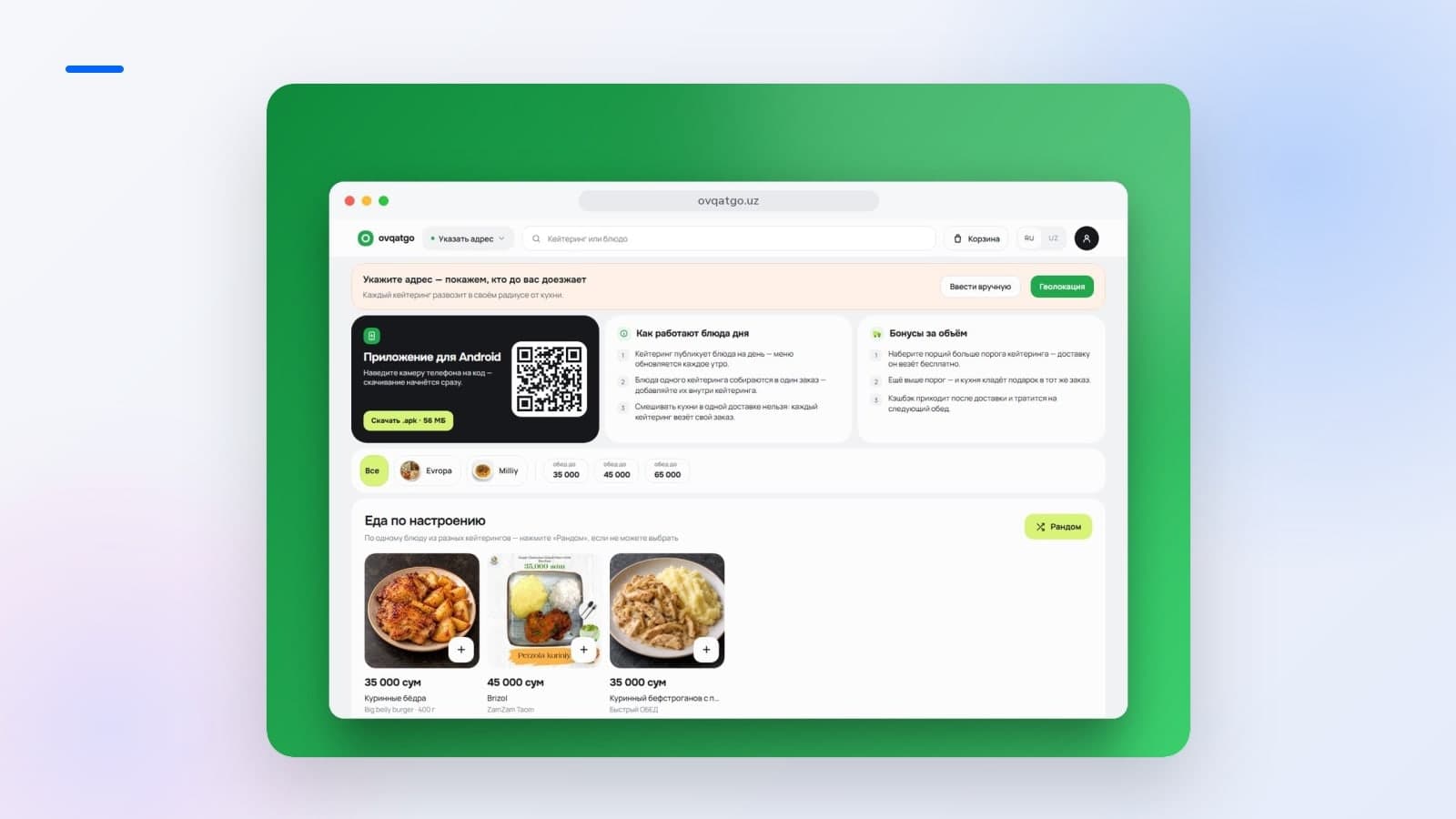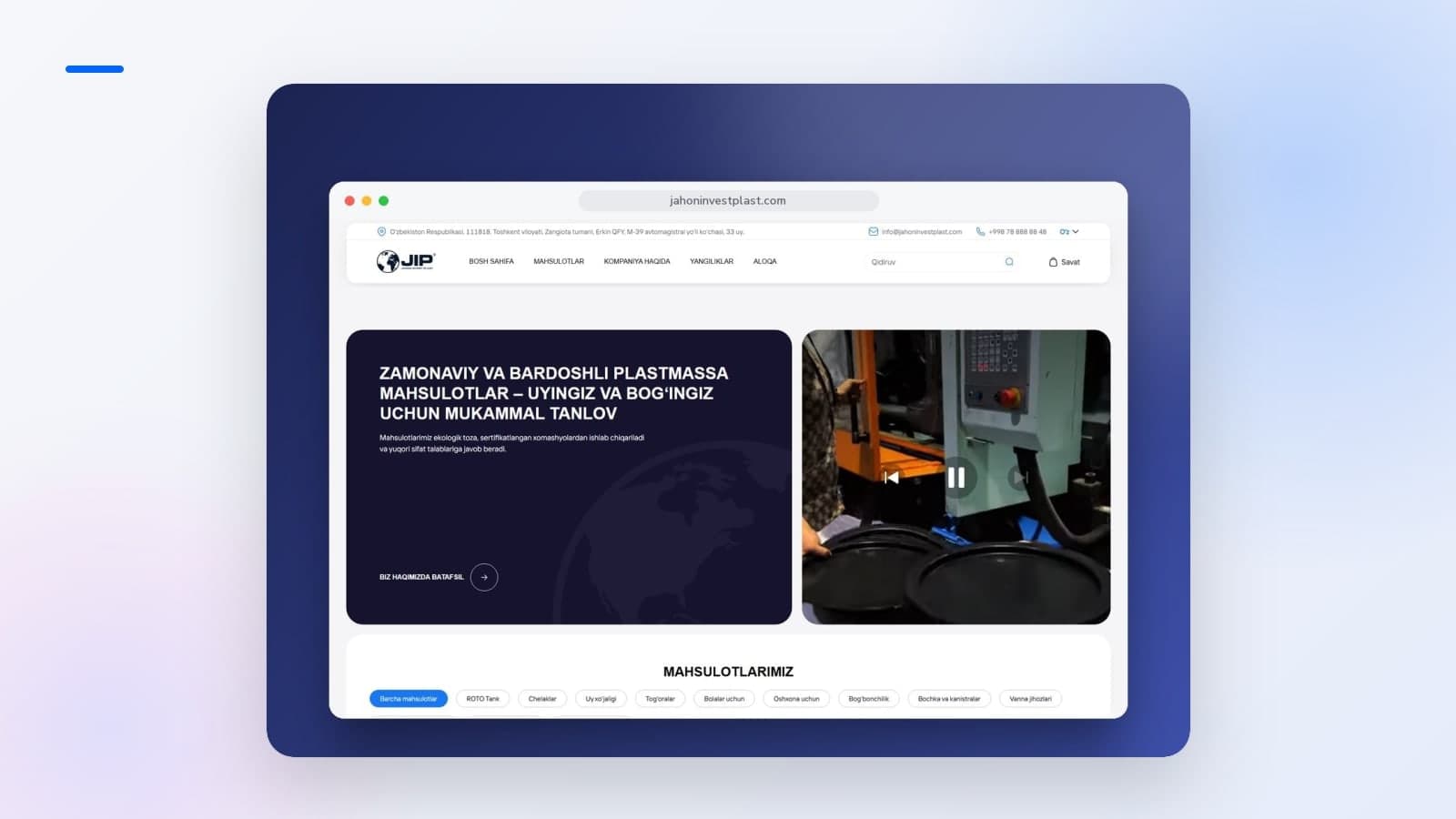
Retail store software in Uzbekistan: BILLZ, 1C or MoySklad
We break down BILLZ, 1C:Retail, and MoySklad for retail in Uzbekistan: license and subscription costs, compliance with Cabinet Decree No. 943, fiscalization, and launch timelines.
For a small boutique or a neighborhood shop, launching a cloud POS is the fastest and easiest path: a localized MoySklad or BILLZ setup takes 3–7 days with monthly subscriptions ranging from 69 300 to 299 000 UZS (so'm). For a retail chain with strict accounting and wholesale warehouse requirements, deploying "1C:Retail 8 for Uzbekistan" is far more practical, where a lifetime basic license starts at 974 000 UZS (so'm), though rollout typically takes 3–4 weeks.
In brief
- Under Cabinet of Ministers Resolution No. 943, point-of-sale systems in Uzbekistan must transmit receipts to the OFD, report 17-digit MXIK (IKPU) product codes, and scan Asl Belgisi digital marking codes.
- BILLZ covers fashion and gift retail workflows out of the box, with plans starting at 299 000 UZS (so'm) per month according to billz.io (as of November 2026).
- "1C:Retail" is ideal for retail chains and accountant alignment: the PROF license costs between 2 691 000 and 3 095 000 UZS (so'm) according to fides.uz.
- MoySklad offers a free tier for up to 100 items and basic tiers from 69 300 to 196 000 UZS (so'm) per month according to moysklad.uz.
Comparing inventory systems for retail in Uzbekistan
The main pitfall when automating a store in Tashkent is picking software that fails to handle tax fiscalization rules. Point-of-sale software cannot just print receipts; it must submit real-time transaction data to the State Tax Committee's OFD alongside the accurate MXIK (IKPU) code and Asl Belgisi verification codes. Failing to do so puts the business at risk of fines.
| Criteria | BILLZ | 1C:Retail 8 | MoySklad |
|---|---|---|---|
| System type | Cloud POS & CRM | On-premise (PC/Server) | Cloud inventory & POS |
| License pricing | From 299 000 UZS (so'm)/mo (Start) to 999 000 UZS (so'm)/mo (Pro) | From 974 000 UZS (so'm) (Basic) to 3 095 000 UZS (so'm) (PROF) | From 0 UZS (so'm) (up to 100 SKUs) to 196 000 UZS (so'm)/mo (Basic) |
| Additional register | 179 000 UZS (so'm)/mo | ~1 720 000 UZS (so'm) (one-off license) | Based on account tier |
| Launch timeline | 3–7 days | 3–6 weeks | 3–10 days |
| Hardware | Tablet, all-in-one POS, laptop | Windows PC or server | Laptop, tablet, smartphone |
| Best fit for | Apparel, footwear, gift shops | Chains, supermarkets, businesses using 1C:Accounting | Small retail, kiosks, e-commerce |
Pros and cons of each solution
BILLZ: tailored for fashion retail and marketing
BILLZ was engineered specifically for fashion boutiques and retail shops. It makes tracking item variations—sizes, colors, and brands—seamless. Phone-number loyalty programs, SMS marketing, and staff performance tracking are built right in. Cashiers can log in via tablets or all-in-one touchscreens. The downside is the recurring monthly subscription, which scales up as you open new branches.
1C:Retail: deep network control and rigorous bookkeeping
"1C:Retail 8 for Uzbekistan" runs locally on an in-house PC or dedicated server. You buy the license once, freeing your business from recurring fees. Its biggest strengths are native synchronization with "1C:Accounting", reliable offline cashier uptime during internet drops, and effortless scaling across dozens of checkout lanes. The downsides include an outdated, complex checkout UI and the need for a dedicated 1C developer to handle initial setup and updates.
MoySklad: clean inventory tracking and omnichannel sales
MoySklad is a strong match for businesses pairing a brick-and-mortar presence with online sales via web stores, social media, or marketplaces. The cash register app works smoothly across Android, iOS, and Windows. Connecting your catalog to an external website is simple using its API: in our experience, online store development frequently depends on real-time inventory sync with MoySklad or 1C. However, advanced marketing campaigns and multi-tier discounts are harder to configure here than in BILLZ.
If you are just starting
When launching your first storefront, capital and time are tight. Do not waste weeks setting up bulky on-premise servers.
- Go with a cloud platform. For an apparel boutique or cosmetics shop, BILLZ (from 299 000 UZS (so'm)/month) or MoySklad ("Basic" at 196 000 UZS (so'm)/month) are much easier to handle.
- Purchase essential hardware. A standard laptop or tablet, a 2D barcode scanner (mandatory for reading Asl Belgisi DataMatrix codes), and a fiscal printer or registered virtual cash register are all you need.
- Prepare your catalog database. Set up an Excel sheet containing barcodes, product names, validated 17-digit MXIK (IKPU) codes, and retail prices. Import the entire catalog in one afternoon.
- Train your floor staff. Modern cloud POS interfaces can be learned comfortably in 1–2 hours.
Your software budget at launch will range between 200 000 and 300 000 UZS (so'm) for the initial month, and your storefront can be up and running in 3–5 business days.
A real case: opening a retail store
According to mover.uz, Tashkent-based gift and souvenir store Art Caravan originally tracked sales in paper notebooks and Excel sheets. This led to persistent inventory discrepancies, sluggish checkout queues, and zero customer analytics. The team rolled out the BILLZ cloud system, digitized their product catalog with barcode labeling, set up a barcode-equipped POS station, and introduced phone-based customer loyalty discounts. As a result, the store eliminated stock counting errors, brought receipt processing times down to 15–20 seconds, and saw a sales lift of up to 30% driven by repeat visits from loyalty club members.
If your business is already running
If you already operate several locations, manage inventory across disparate spreadsheets, and watch your accounting team struggle with manual invoice entry, an off-the-shelf basic POS will no longer cut it.
- Consolidate your operations into one platform. If tight synchronization between warehouse stock and tax accounting is critical, implement "1C:Retail" integrated with "1C:Accounting". According to fides.uz, a PROF license for the primary workstation costs 2 691 000 – 3 095 000 UZS (so'm), with each additional register costing around 1 720 000 UZS (so'm).
- Configure data migrations without store downtime. Schedule balance adjustments and product catalog imports during off-hours or over an inventory audit weekend so daily sales never stop.
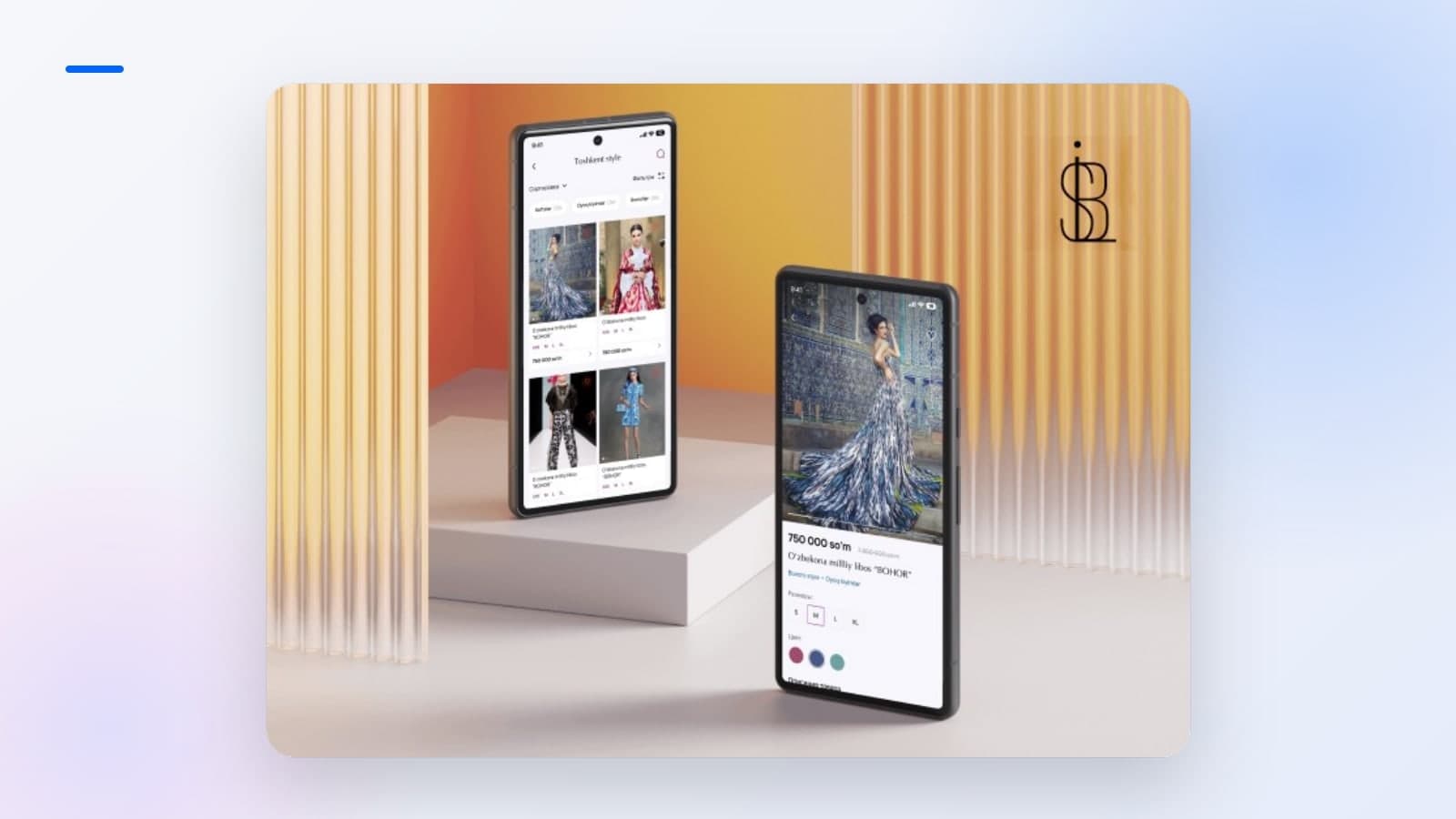
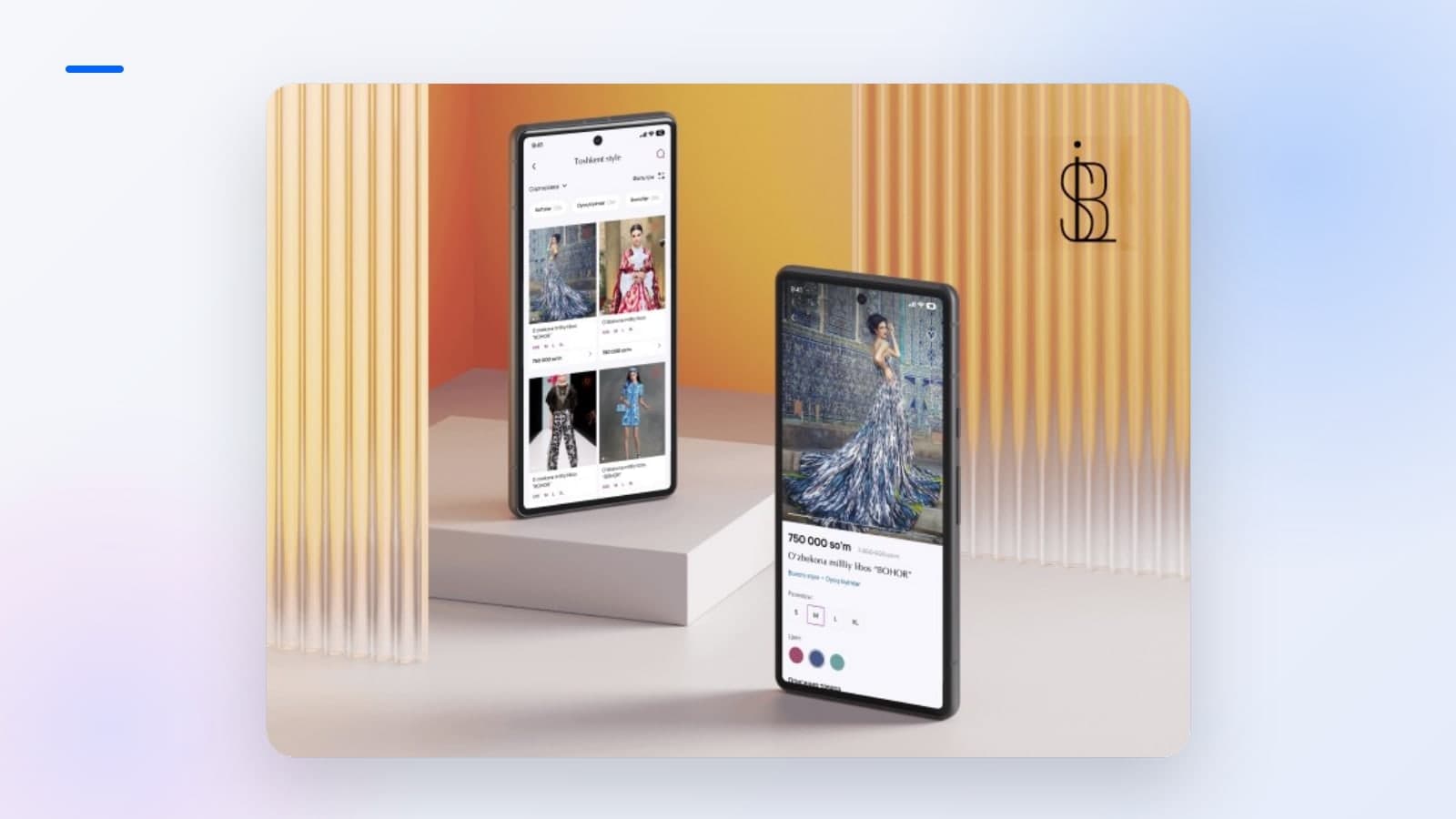
- Bridge offline and online sales channels. As your brand expands, connect your retail back office to customer-facing channels. For example, on the Liboss project, we engineered a mobile fashion marketplace for iOS and Android featuring a unified catalog, smart filtering, and checkout, where live inventory clarity is vital for customer trust. For complex logistics workflows and user portals, a proprietary backend platform is equally necessary: for instance, on the YUMECS project, we automated balance tracking, warehouse movements, and customer order alerts through a Telegram bot. Whenever business logic demands custom workflows, bespoke CRM development and automation is the most dependable path.
Moving an established retail chain onto 1C typically starts at 5–10 million UZS (so'm), including license acquisition and configuration services, taking anywhere from 3 to 6 weeks to roll out completely.
A real case: automating a retail chain
As reported by 1c.ru, leading perfume and cosmetics retailer BEGIM (BEGIM LLC) needed to link its network of retail boutiques, central distribution warehouse, and statutory tax and bookkeeping records into one infrastructure. The enterprise deployed an end-to-end setup combining "1C:Retail 8 for Uzbekistan" and "1C:Accounting 8 for Uzbekistan", synchronizing cashier workstations, barcode scanners, and fiscal registers. The rollout delivered centralized inventory visibility across every retail branch, automated inter-warehouse transfers, and tied day-to-day trade operations directly to general ledger postings without manual document re-entry.
Frequently asked questions
Is a virtual cash register and MXIK (IKPU) code mandatory?
Yes. Under Cabinet of Ministers Resolution No. 943, every retail merchant in Uzbekistan must issue fiscal receipts through an online cash register or an officially certified virtual POS. Receipts must include the full 17-digit MXIK (IKPU) code and mandatory digital marking identifiers whenever goods require serialized tracking.
Which is better for a boutique apparel shop: BILLZ or 1C?
For one or two fashion stores, BILLZ is usually the smarter pick: it deploys fast, handles clothing sizes and colors out of the box, and features native SMS loyalty tools. "1C:Retail" proves its worth once you scale beyond three stores or require thorough financial and tax bookkeeping inside an on-premise system without ongoing subscription fees.
Can MoySklad or BILLZ process sales without internet access?
Cashier applications in most modern cloud solutions include an offline mode: cashiers can scan items and collect payments locally. Once internet connectivity is restored, cached receipts automatically sync with cloud servers and the OFD. However, permanent offline operation is not permitted, as fiscal receipts must be transmitted to tax authorities on an ongoing basis.
If you plan to scale your retail network, connect your stores to an online website, or build a tailored order management platform, reach out to us via our contacts page. We will help you audit your technical architecture and engineer the right setup for your business.
Sources
- Сеть парфюмерии и косметики BEGIM (ООО «BEGIM») · 1c.ru
- Магазин подарков и сувениров Art Caravan (Ташкент) · mover.uz
- Тарифная линейка и цены программы BILLZ в Узбекистане
- 1С:Розница 8 для Узбекистана — Fides Solutions
- Тарифы для бизнеса — МойСклад Узбекистан
- Постановление Кабинета Министров РУз №943 «О мерах по обеспечению применения онлайн контрольно-кассовых машин и системы виртуальной кассы»