Online Payment Integration for E-Commerce in Uzbekistan: An Acquiring Guide
Learn how to accept Uzcard and Humo card payments via Payme, Click, and Uzum, configure MXIK fiscalization, and prevent cart crashes during sales spikes.
To set up online payments for an online store in Uzbekistan, a business needs a corporate bank account or sole proprietorship (IP), an acquiring contract, and the technical integration of payment gateways such as Payme, Click, or Uzum Pay. Setting up a standard CMS payment plugin costs between 1.5 and 3.5 million UZS (so'm), while custom development with automated fiscalization runs from 6 to 15 million UZS (so'm), taking 2 to 3 weeks including bank compliance reviews.
In brief
- Payment service commissions for Payme, Click, and Uzum Bank average 0.8–2.5% per successful transaction, with funds settling into your bank account within 1–3 business days.
- To accept payments legally, an online store must send a 17-digit MXIK (IKPU) code, packaging code, and VAT rate in every receipt, as mandated by Cabinet Resolution No. 943.
- The complete onboarding process and website compliance verification by payment security teams takes 2–3 weeks.
- To avoid double charges and stuck checkouts during sales peaks, your system requires idempotency checks and resilient server callback handling.
How Internet Acquiring Works in Uzbekistan
To accept online payments via national Uzcard and Humo cards, e-commerce stores integrate specialized payment aggregators and gateways. Unlike simple card-to-card transfers (P2P), internet acquiring operates officially through the seller's commercial bank account. According to data from Aiva Group, transaction fees for Payme, Click, and Uzum Bank average 0.8–2.5% per successful charge, and revenues hit the company's settlement account within 1–3 business days.
To get started, a legal entity or individual entrepreneur must prepare corporate documentation and configure the store's website: it must display a public offer (terms of service), privacy policy, delivery and refund conditions, and genuine company contact details.
Integration Options and Costs
The cost and complexity of connecting payment systems depend on the architecture of your e-commerce platform.
| Integration option | Timeline | Project cost | Best for |
|---|---|---|---|
| Turnkey CMS plugin (OpenCart, WooCommerce, Tilda) | 3–7 days | 1.5–3.5 million UZS (so'm) | Small businesses with standard product catalogs |
| Custom API integration with webhook queues | 10–20 days | 6–15 million UZS (so'm) | Large stores, non-standard platforms, and 1C-integrated setups |
According to agency estimates from WebExpert, connecting payment gateways in Tashkent ranges from 1.5–3.5 million UZS (so'm) for standard platforms up to 6–15 million UZS (so'm) for bespoke backend development with virtual cash registers (E-POS) and accounting software synchronization.
Fiscalization and MXIK (IKPU) Code Requirements
Accepting online payments is not permitted without issuing an official fiscal receipt. As noted by Innovia Labs, pursuant to Cabinet Resolution No. 943 and State Tax Committee regulations, an online store must transmit a 17-digit MXIK (IKPU) code, product packaging code, and VAT rate (12% or exempt) for every order line item to the Fiscal Data Operator (OFD) at the moment of payment. In return, the payment gateway or virtual cash register generates a digital receipt with a QR code, delivered to the buyer via SMS or email.
If product items lack accurate MXIK codes or send them in an incorrect format, the bank will reject the transaction or issue an invalid receipt, exposing the business to tax penalties.
Technical Protocols and Peak-Sale Reliability
During major shopping campaigns such as 11.11 or Black Friday, traffic spikes drastically test your servers. If your payment infrastructure is not architected for high concurrency, shoppers will experience frozen shopping carts and duplicate debiting.
According to SAMSA Agency, the Payme Merchant API runs on JSON-RPC 2.0 and requires implementing 6 mandatory endpoints on the store side (including CheckPerformTransaction and PerformTransaction) with a strict server response timeout under 2 seconds. Click relies on its SHOP API utilizing a two-phase Prepare and Complete scheme. To keep payments from duplicating when a buyer repeatedly clicks the checkout button or connections drop, developers must implement an idempotency mechanism—validating transaction uniqueness before charging the customer.
If you are just starting
When launching a new retail project, you do not need an over-engineered transaction cluster right away. When ordering standard online store development, prioritize getting to market quickly:
- Open a corporate bank account and submit applications for Payme Business and Click Merchant. According to SAMSA Agency, legal onboarding, compliance review, and production API key issuance take between 2 and 3 weeks.
- Publish clear terms of sale and refund guidelines on your website.
- Enter correct MXIK codes for your core catalog products in your store's admin panel.
- Install a verified payment extension designed for your CMS. Budget around 1.5–3.5 million UZS (so'm) for setup.
A real case: launching automated checkout for a flower shop
Tashkent floral retailer Sheyx Dunyo Gullari originally accepted orders manually through chat messages and direct card transfers, dealing with delayed payment verifications and lost sales. The business deployed an e-commerce storefront on the ShopOS platform, connecting Click Merchant and Payme Business directly to the checkout flow with automatic order dispatch alerts to fulfillment and delivery staff via Telegram. This created a seamless checkout experience in UZS (so'm), automated order status updates, and credited revenue directly to their bank account without manual receipt checks, as reported by platform developer ShopOS.
If your business is already running
If you already run an online store handling high order volumes, manual payment verification or flaky third-party plugins quickly become operational bottlenecks. Upgrading to direct API integrations automates both inventory and financial accounting:
- Implement asynchronous webhook processing using message queues so your servers never drop gateway notifications during high-traffic spikes.
- Synchronize payment statuses with your 1C or ERP platform for immediate stock reservations.
- Add Uzum Pay and Uzum Nasiya installment plans to increase your average order value in retail categories.
- Custom backend enhancements typically cost between 6 and 15 million UZS (so'm) and take about 2–3 weeks to deploy without interrupting ongoing sales.
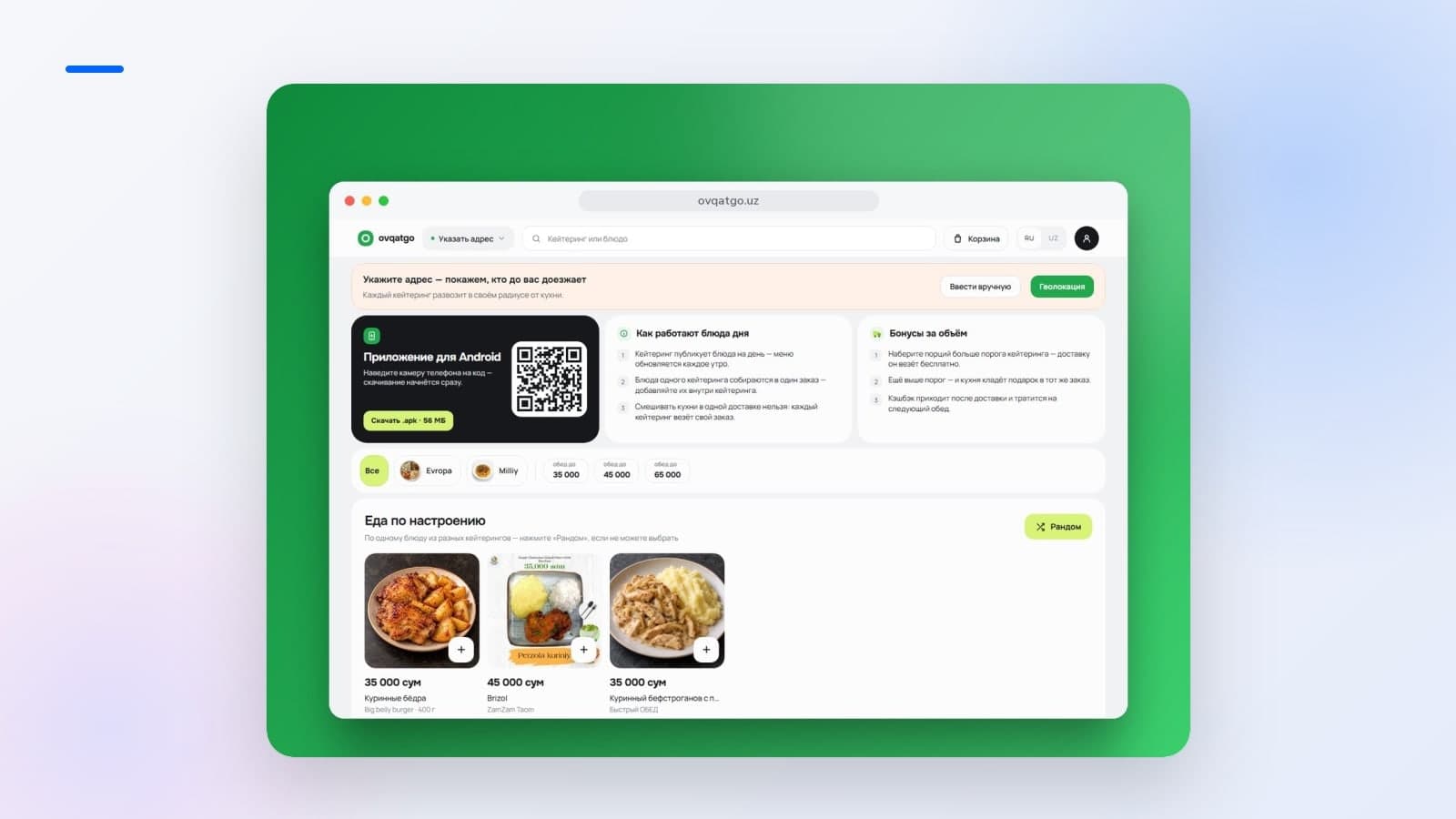
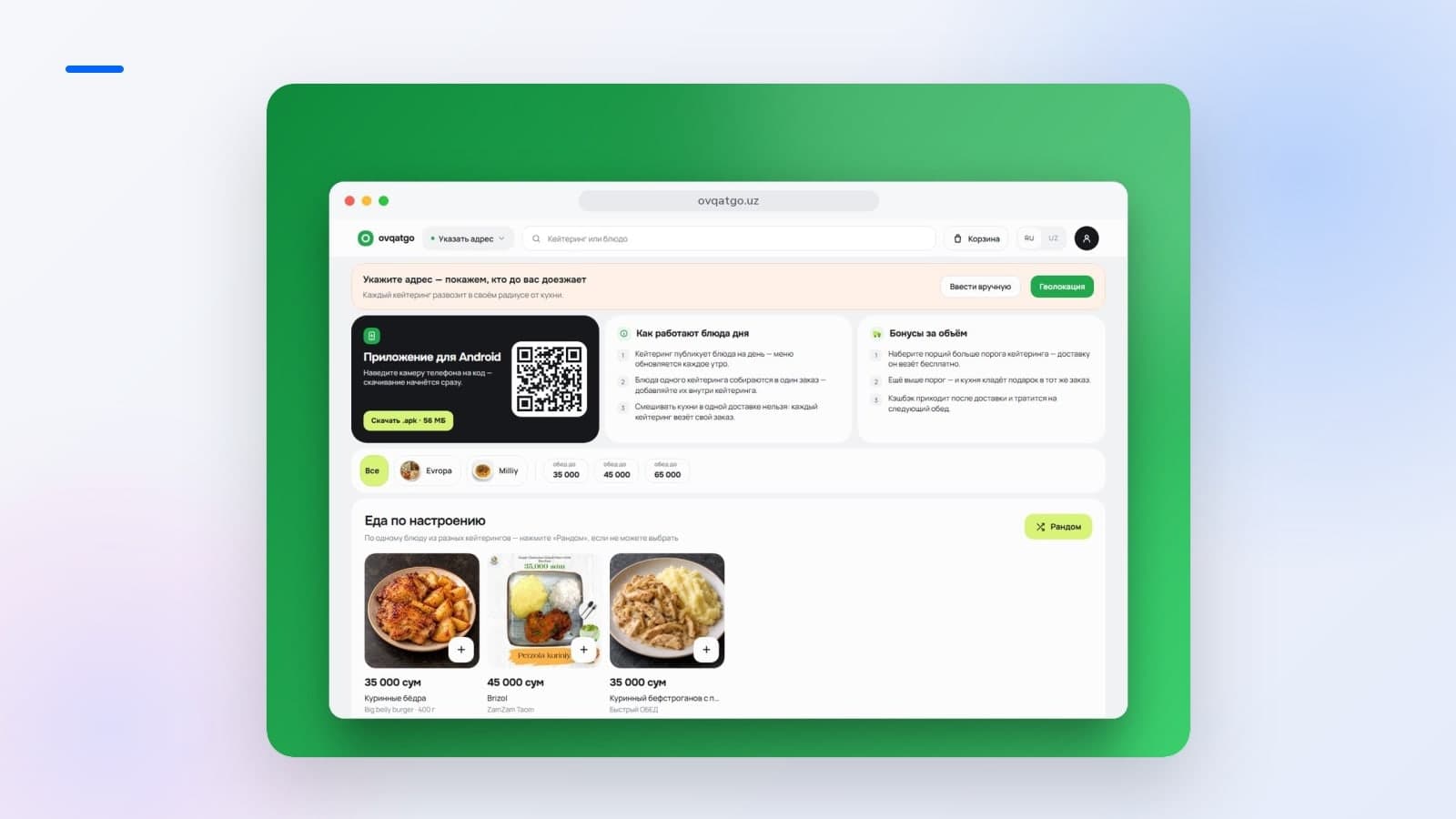
In our own custom projects, we engineer multi-tier payment architectures from day one. For instance, when building the corporate food delivery platform OvqatGo, the NDC team incorporated split payments across Payme, Click, and cash on delivery, unifying the web platform and Android mobile app into a single transaction processing pipeline.
A real case: scaling high-volume payment infrastructure
Uzbekistan-based fintech provider Global Solutions (operators of Global Pay Gate) faced escalating transaction loads across Uzcard, Humo, Visa, and Mastercard gateways during peak shopping periods. The company migrated its payment processing infrastructure to local Servercore cloud instances in Uzbekistan, deploying a Managed Kubernetes cluster with dynamic load balancers. According to a case study on Servercore, this boosted transaction delivery speed threefold, halved infrastructure maintenance overhead, and ensured zero-downtime payment processing even under extreme traffic loads.
Frequently Asked Questions
How long does a turnkey Payme and Click integration take?
Technical configuration of a payment module takes between 2 and 5 business days. However, the complete timeline spans 2 to 3 weeks because it includes legal and security reviews by payment operators, contract execution, and sandbox testing prior to issuing production API keys.
Is an MXIK (IKPU) code required for every product?
Yes. Under Cabinet Resolution No. 943, e-commerce fiscalization in Uzbekistan mandates passing a valid 17-digit MXIK code, VAT rate, and packaging code for every line item. Without this data, payment providers cannot issue compliant digital receipts to the tax authorities.
How can an online store prevent double charges?
To avoid duplicate debits, the store's backend must enforce request idempotency. If a payment gateway resends a confirmation callback due to a network timeout, the backend checks the unique transaction identifier and prevents creating duplicate financial records.
If you are planning to upgrade your checkout, start accepting cards, or build an online store with automated fiscalization, get in touch with us via our contacts page—we will analyze your business requirements and implement a rock-solid solution.
Sources
- Sheyx Dunyo Gullari · shopos.uz
- Global Solutions (Global Pay Gate) · servercore.com
- Aiva Group — Payme, Click и Uzum Bank: как подключить прием онлайн-оплаты в Узбекистане
- SAMSA Agency — Интеграция Click, Payme и Uzcard: пошагово для интернет-магазинов
- Innovia Labs — ИКПУ в интернет-магазине: как передавать фискальные данные при онлайн-оплате
- WebExpert — Подключение платежных систем Payme, Click, Uzum для интернет-магазина под ключ