CRM for Learning Centers: Turnkey SaaS, amoCRM, or Custom Software
How to automate student tracking, classroom scheduling, and teacher payroll for learning centers in Uzbekistan without Excel spreadsheets or paper journals.
For an educational center in Uzbekistan, choosing the right system depends directly on your scale: small centers can rely on specialized vertical SaaS platforms costing from 250,000 to 1,500,000 UZS (so'm) per month, while expanding chains with multiple branches and bespoke billing require custom development or dedicated API integration priced between 12.8 million UZS (so'm) ($1,000) and 190 million UZS (so'm) ($15,000+), with deployment timelines of 2 to 6 months. Implementing an industry-specific CRM eliminates unpaid student balances, double-booked classrooms, and manual piece-rate payroll calculations for teachers.
In brief
- General-purpose CRMs (amoCRM, Bitrix24) excel at initial lead capture, but out of the box, they cannot deduct prepaid lessons or calculate piece-rate teacher salaries.
- Vertical platforms (Modme, Alfa CRM) handle everyday educational workflows at prices ranging from 250,000 UZS (so'm) per month to 4,680,000 UZS (so'm) per quarter.
- Custom software development or in-depth API integration is essential for large centers with complex loyalty schemes, multi-branch networks, and customized student portals.
- The fastest financial payoff from an education CRM comes from wiping out student accounts receivable by enforcing payment collection before classes start.
Why General-Purpose CRMs Fall Short for Learning Centers
Most language school and test prep owners start their search with popular sales software like amoCRM. These platforms are phenomenal at guiding leads from an ad click to the first discovery call, but running an educational business is much more complex than a standard sales pipeline. Once the student pays for their course, your real operational work is just beginning.
A learning center's core operations revolve around dynamic class cycles: deducting credits for every attended lesson, freezing memberships during sick leave, tracking makeup classes in other groups, and adjusting teacher earnings based on actual headcount in the classroom. Standard CRMs lack these capabilities natively: administrators inevitably end up keeping side-by-side Excel sheets for room scheduling and paper sign-in sheets for attendance.
Your Options: Turnkey Platforms vs. Custom Software
Educational businesses in Uzbekistan generally choose between three automation routes:
| Solution | Price | Launch Time | Best Suited For |
|---|---|---|---|
| Vertical SaaS (Alfa CRM) | from 250,000 UZS (so'm)/mo | 3–7 days | Small centers, boutique language studios |
| Dedicated Cloud CRM (Modme) | 500,000 – 1,560,000 UZS (so'm)/mo | 1–2 weeks | Schools with up to 1,000+ students and multiple branches |
| Custom CRM / Deep API Integration | from 12.8M to 190M+ UZS (so'm) | 2–6 months | Large educational chains, franchises, complex billing setups |
Entry-level plans for specialized platforms like Alfa CRM start at 250,000 UZS (so'm) per month in Uzbekistan, according to biznestizim.uz. Local platform Modme scales pricing by active student volume: the Start tier (up to 100 students) runs 1,500,000 UZS (so'm) for 3 months (500,000 UZS (so'm) monthly) or 5,400,000 UZS (so'm) annually; Basic (100–300 students) is 3,120,000 UZS (so'm) per quarter; Pro (300–1,000 students) is 4,680,000 UZS (so'm) per quarter; and an optional gamification add-on costs 150,000 UZS (so'm) monthly, based on pricing from modme.uz. More than 330 training centers across the country have adopted purpose-built education software since the startup raised $100,000 in early investment, reports spot.uz.
When standard platform features limit your growth, tailor-made software becomes the next logical step. End-to-end custom development or deep system integrations in Uzbekistan range from $1,000 (around 12.8 million UZS (so'm)) for lean setups up to $15,000+ for enterprise education networks, requiring 2 to 6 months to build and deploy, according to katov.uz.
Core Modules Every Course Management CRM Must Have
A capable student management platform should automate four vital operational bottlenecks:
- Billing and Subscriptions. Tracking tuition payments, automatically recalculating remaining lesson credits, and sending payment reminders to parents via SMS or Telegram.
- Room Capacity and Scheduling. A visual calendar allocating study groups across classrooms with built-in seat capacity limits to prevent scheduling clashes.
- Digital Attendance Register. Instructors check in students with a couple of taps on their smartphone, immediately triggering automated balance deductions.
- Piece-Rate Teacher Payroll. Calculating instructor compensation using tiered logic: percentage of group revenue, flat hourly rates, or student retention bonuses.
If you need to connect your intake pipeline with custom student portals or build a dedicated web platform, the NDC team delivers CRM development and implementation tailored for the Uzbekistan market, including integrations with local payment gateways.
If you are just starting
When launching a new learning center with a lean budget and an unpredictable student influx, building a custom system from scratch is an unnecessary expense.
- Start with a proven vertical SaaS. Sign up for an entry-level tier (such as Modme Start for 1,500,000 UZS (so'm) per quarter or an Alfa CRM starter plan from 250,000 UZS (so'm) per month).
- Structure courses and schedules first. Map out your classrooms, subjects, and instructor availability before you kick off your first marketing campaign.
- Centralize your lead funnels. Route inbound inquiries from Instagram and Telegram into a single inbox so your front desk can follow up within 10–15 minutes.
- Stop teaching on credit. Establish an uncompromising policy: students enter the classroom only when payments are recorded in the digital register.
A real case: Colba Ta'lim Markazi
This learning center initially tracked inquiries, classroom attendance, and prepaid lessons across scattered spreadsheets and paper notebooks. Consequently, incoming leads were frequently lost, and tracking monthly pass balances required daily manual audits by desk staff.
The center migrated all student cohorts and academic processes to a dedicated cloud-based CRM, activating automated tuition logs, absence tracking, and live student profiles from day one. As a result, the center completely eliminated paper binders, drastically reduced administrative time spent auditing student ledgers, and prevented lost leads during peak enrollment windows, as detailed on spot.uz.
If your business is already running
For established centers managing 300+ students across multiple branches, operational scaling and data silos are common hurdles. Receptionists waste days compiling end-of-month reports, while unpaid student debts quietly trigger cash flow gaps.
- Audit outstanding balances and records. Export all active student rosters from your spreadsheets, identify stalled subscriptions, and record verified account balances.
- Connect sales pipelines to academic delivery. Bridge your sales software with your classroom module. For instance, amoCRM can capture incoming social media leads, and once tuition is paid, it automatically pushes the student profile into your academic portal.
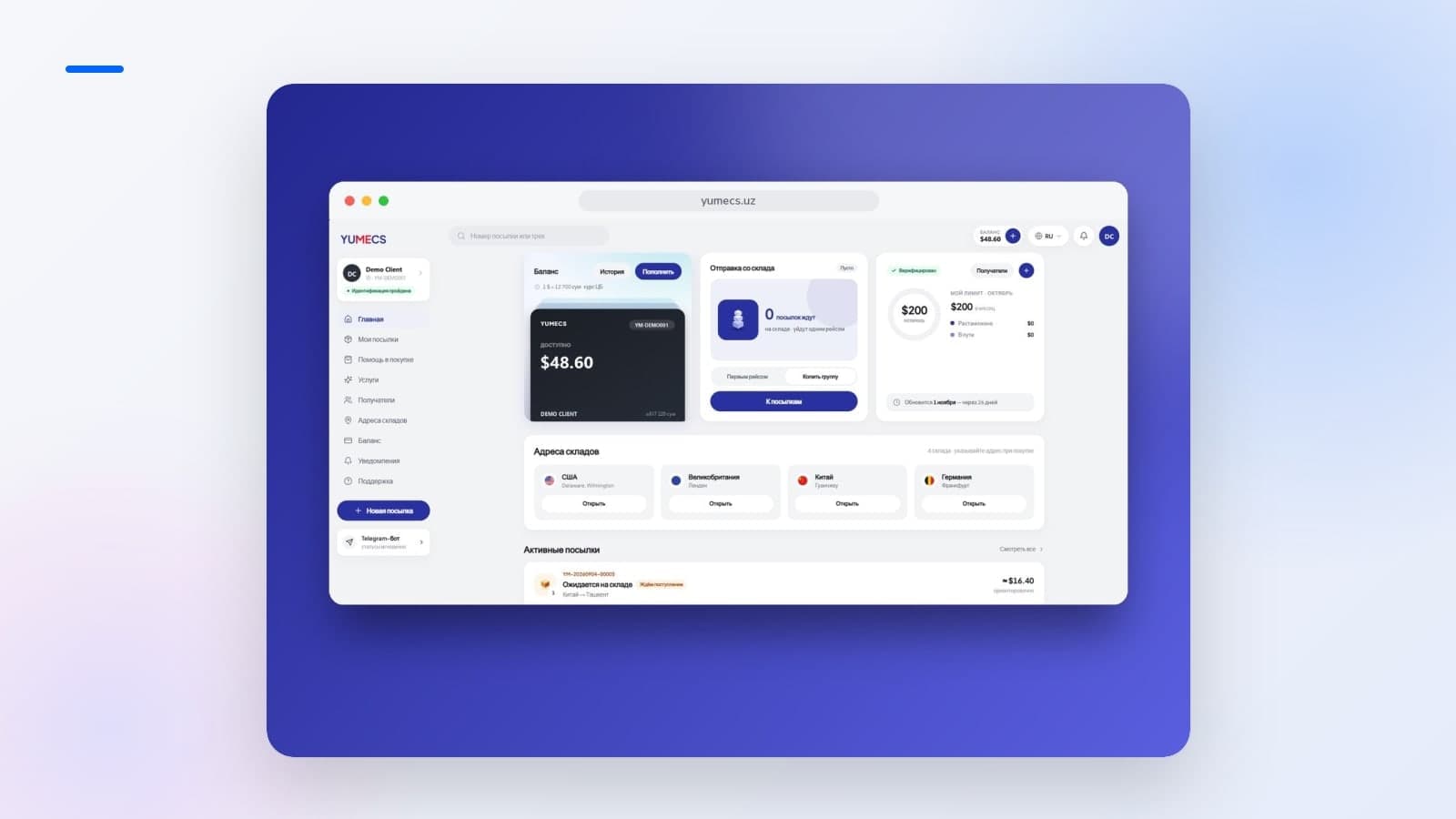
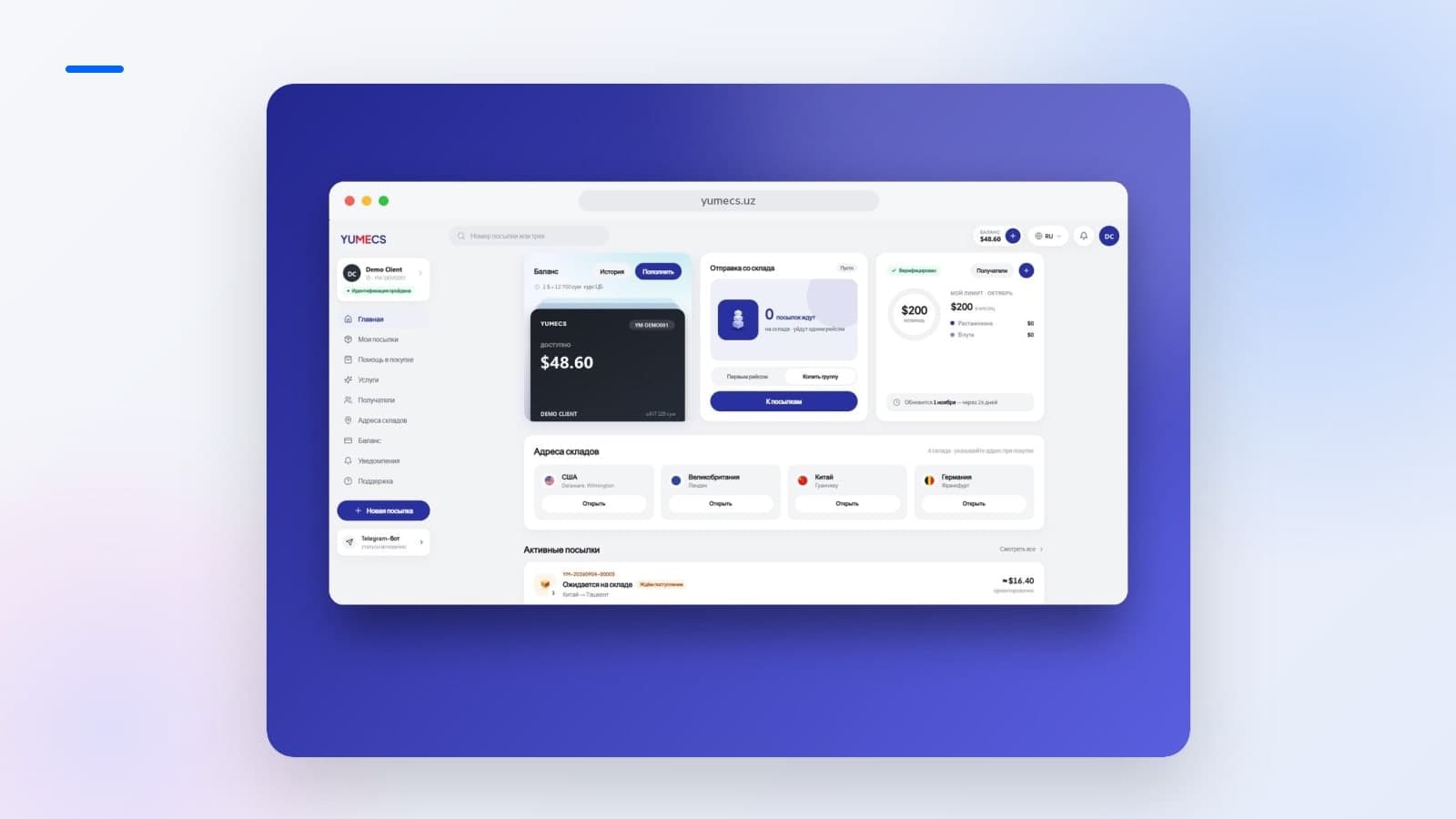
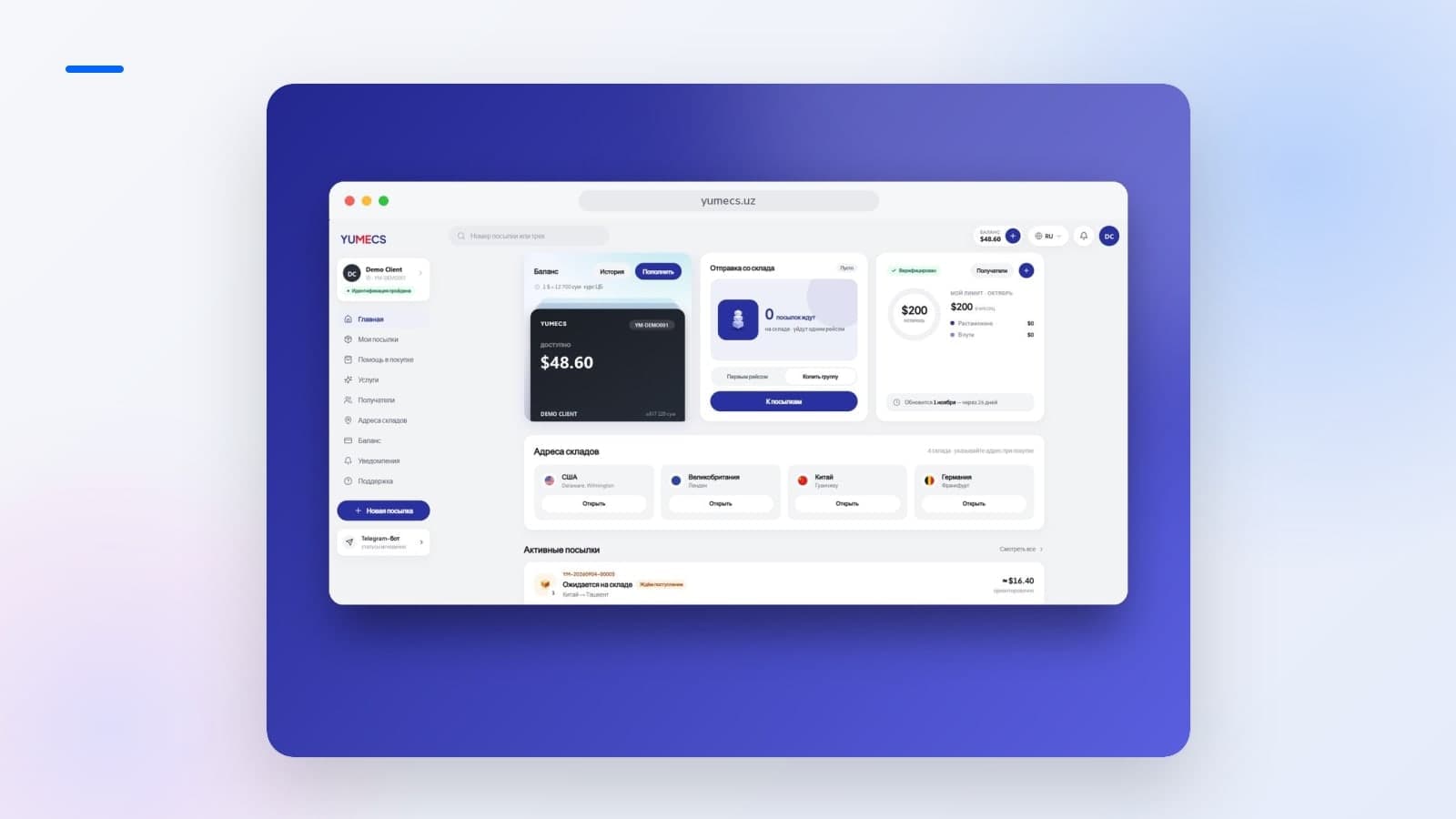
- Automate communications with Telegram. Updating parents on student balances and missed classes through chatbots lifts a massive burden off your reception team. In our YUMECS business automation project, we solved a similar operational problem: customer statuses and account balances were delivered directly to client portals and a Telegram bot, eliminating hundreds of routine phone calls.
- Digitize contracts and consent forms. Switching to digital agreements with parents simplifies record-keeping. We implemented a similar approach when building Hesap, transitioning contract signing online without paper delays.
A real case: Cambridge Learning Centre
As one of Tashkent's premier language school chains scaled to hundreds of active study groups across multiple branches, managing billing by hand became unsustainable. Delayed student payments, classroom booking overlaps, and manual piece-rate payroll for dozens of teachers in Excel caused frequent cash flow delays and overloaded reception staff.
The network rolled out the specialized Modme platform, consolidating tuition tracking, digital attendance logs, room schedules, and automated teacher compensation with upfront billing at the start of each month. This unified setup enabled the chain to eliminate uncollected receivables through strict first-of-the-month billing cycles, automate timely teacher payouts, and digitize its internal operations to support smooth multi-branch expansion, reports spot.uz.
If you run a service business with high transaction volumes, you can explore similar operational principles in our breakdown of CRM for food delivery.
Frequently Asked Questions
Should we choose amoCRM or a dedicated education platform?
If your biggest pain point is losing marketing leads and sluggish sales rep follow-ups, amoCRM handles initial intake best. However, to track classes, attendance, and lesson balance deductions accurately, you will either need an industry-specific tool (Modme, Alfa CRM) or a reliable two-way API connection between both systems.
How long does it take to implement a CRM in a language center?
Setting up and configuring an off-the-shelf cloud platform takes 3 to 14 days, depending on how quickly you migrate your existing student database. Building custom software with bespoke student portals and custom payroll logic usually spans 2 to 6 months.
Can a CRM eliminate cash flow gaps?
Yes. The platform restricts classroom check-ins for students with zero or negative balances and sends automated payment reminders to parents several days before their next billing cycle begins.
Whether you want to implement a turnkey platform, connect your CRM to your website, or build a custom management platform for your educational business, get in touch with us through our contacts page. We will assess your requirements and recommend the most cost-effective technology stack.