Piecework Payroll Software for Sewing Workshops: Setup and Costs
How to implement piecework payroll tracking (ishbay oylik) with QR codes in a garment workshop, eliminating duplicate entries and payroll routine.
To calculate piecework wages for seamstresses (ishbay oylik) in Uzbekistan, apparel businesses deploy specialized MES and ERP platforms with QR-code scanning on cut fabric bundles. Deploying a ready-made solution for a small workshop starts from 1,300,000 UZS (so'm), while a full-scale factory system for 30–100 workstations costs between 15,000,000 and 50,000,000 UZS (so'm) with a rollout timeline of 2 to 4 weeks.
In brief
- Manual paper tracking causes 10–15% payroll overpayments due to duplicate submissions of finished bundles.
- Automation frees up to 70% of the accounting team's and line supervisors' time at month-end closing.
- The core workflow relies on thermal barcode labels with QR codes for each operation, scanned using a smartphone or fixed scanner.
- Basic tracking for small teams launches in just a few days; a full factory rollout with 1C integration takes up to a month.
The problem with paper notebooks and standard HR platforms
In most sewing factories across Uzbekistan, wages depend strictly on piecework output (ishbay), which platforms like Andaza and Apoint automate in real time, according to data from apoint.uz. Off-the-shelf HR platforms and general office time-tracking software are not built for apparel production lines. They record turnstile clock-ins, but fail to track operation-level output based on Standard Allowable Minutes (SAM) and piece rates per item.
As a result, workshops run into common pitfalls of paper logs:
- Inflated numbers and duplicates: a bundle of 50 units can easily be claimed twice by two different seamstresses, whether by mistake or on purpose.
- Blind spots in work-in-progress (WIP): the floor manager cannot tell where an order is stalled without walking the entire line by hand.
- Overworked accounting: reconciling dozens of notebooks at the end of the month takes days and sparks disputes over unit rates.
According to analytical data from pro-zarplatu.ru, tracking piecework manually in notebooks and Excel inflates payroll funds by 10–15% due to repeated submissions and misattributed operations. Moving to automated piecework payroll saves up to 70% of the time supervisors and accountants spend closing payroll.
How QR code and coupon tracking works
Modern piece-rate software transitions the workshop floor to a coupon-based or ticketless routing workflow. The process follows four straightforward steps:
- Bill of operations (process routing sheet): the technical production manager sets the sequence of steps, standard times, and piece prices for each seam in UZS (so'm).
- Label printing in the cutting room: each cut bundle gets a routing sheet with a strip of peel-off QR coupons or a master batch barcode.
- Logging finished work: after completing an operation (such as setting a sleeve or assembling a pocket), the seamstress scans the QR code using a handheld scanner or a smartphone camera.
- Instant pay allocation: the system verifies that the piece has not been scanned before, marks the cut bundle complete for that stage, and credits the earnings to the worker's balance.
This closed loop cuts out human error: scanning the same bundle twice is technically impossible. Work stats can also display on factory-floor monitors, showing daily earnings in real time to keep motivation high. For shops building an end-to-end digital setup, these metrics tie directly into warehouse balances, as covered in our guide on fabric inventory and warehouse management for apparel production.
Comparing implementation options
Choosing the right platform depends on your facility's scale, the number of active sewing lines, and how closely you track raw materials.
| Option | Included scope | Deployment time | Estimated budget | Best fit |
|---|---|---|---|---|
| Mobile scanning and Telegram bots | Phone-camera scanning, step logging, basic reports | 3–7 days | from 1,300,000 UZS (so'm) | Shops with 10–25 machines |
| Specialized MES/ERP (Apoint, Andaza) | Box system (yashik tizimi), floor screens, thermal printing, defect tracking, WIP control | 2–4 weeks | 15,000,000 – 50,000,000 UZS (so'm) | Factories with 30–150 machines |
| Custom 1C module development | Tailored piecework order routing built into your accounting setup | 2–5 weeks | support from 450,000 UZS (so'm)/mo | Businesses with a dedicated in-house 1C team |
According to 1cservice.uz, local modules and Telegram or mobile QR setups for small workshops in Uzbekistan start at 1,300,000 UZS (so'm) ($100), with monthly maintenance and custom 1C updates starting around 450,000 UZS (so'm). For larger facilities, as highlighted by apoint.uz, rolling out a complete MES/ERP system for 30–100 seamstresses (including thermal ticket printing, on-station scanners or phones, production-floor dashboards, and 1C synchronization) requires between 15,000,000 and 50,000,000 UZS (so'm) across 2 to 4 weeks.
If you are just starting
When launching a new workshop with 10–20 machines, do not rush into heavy enterprise platforms. Bulky software will require a full-time system administrator and slow down daily sewing operations.
- Standardize your operations: build a spreadsheet listing models, production steps, and rates per piece in UZS (so'm). Software is useless without clear baseline pricing.
- Pick a ready mobile tool: connect a cloud-based service or a Telegram bot module that scans barcodes. Getting started takes as little as 1,300,000 UZS (so'm).
- Equip the cutting department: buy a simple thermal label printer to tag cut bundles right at the cutting table.
- Assign scanning responsibilities: to keep machine operators focused on sewing early on, have the line supervisor scan bundles when accepting finished sub-assemblies.
A real case: a small garment workshop using Hayot Soft
A workshop with 15–20 seamstresses relied on handwritten notebooks. The production clerk spent 2–3 full days at the end of every month reconciling paper logs, constantly uncovering duplicate claims and messy records of cash advances. As reported by textilefinds.com, the business replaced paper logs with a mobile app that generates QR tags right on the cut fabric. As each step is completed, the seamstress or supervisor scans the barcode in one second with a smartphone, instantly sending the logged step and rate into the central database. As a result, calculating piecework payroll takes just one click, duplicate payments for the same bundle are gone, and owners track daily output per workstation right from Telegram reports.
If your business is already running
For established operations running multiple lines, the top priority is switching to digital piecework tracking without stopping live orders or triggering pushback from the floor.
- Audit your work-in-progress: never introduce barcode coupons to bundles already midway down the line. Finish running orders using your legacy logs, and launch coupons strictly with new production runs.
- Set up 1C integration: configure automatic exports of calculated piecework earnings into your accounting database so payroll clerks do not have to type totals by hand.
- Mount floor monitors: a production screen showing daily shift progress and earned balances eliminates skepticism among workers. Operators can see immediately that every turned-in bundle is credited.
- Train quality inspectors: link payroll credit to quality clearance so defective units are not automatically paid out.
A real case: BigFamily Textile factory in Kokand
A large apparel plant struggled with poor visibility into piece-rate calculations, missing progress records on production orders, and recurring disagreements between machine operators and accounting clerks at month-end. According to apoint.uz, the factory deployed an Apoint manufacturing module using a box tracking workflow (yashik tizimi). Every cut bundle receives a routing slip with operation QR codes; workers scan components as they pass them down the line, and overhead displays show real-time piece output and accumulated earnings for every employee. The update completely eliminated disputes over ishbay pay, provided staff with real-time views of their daily earnings, and gave leadership 100% control over work-in-progress inventory across all active lines.
Apoint is already running across more than 65 textile plants in Uzbekistan (including Hilol-Nashr, Fayz-M, Oltin Mato Group, Bonito Kids, and BigFamily Textile), automating end-to-end operation tracking, piecework pay, and fabric stock management, as detailed on textilefinds.com. Local software andaza.uz also offers dedicated tools tailored to garment production management.
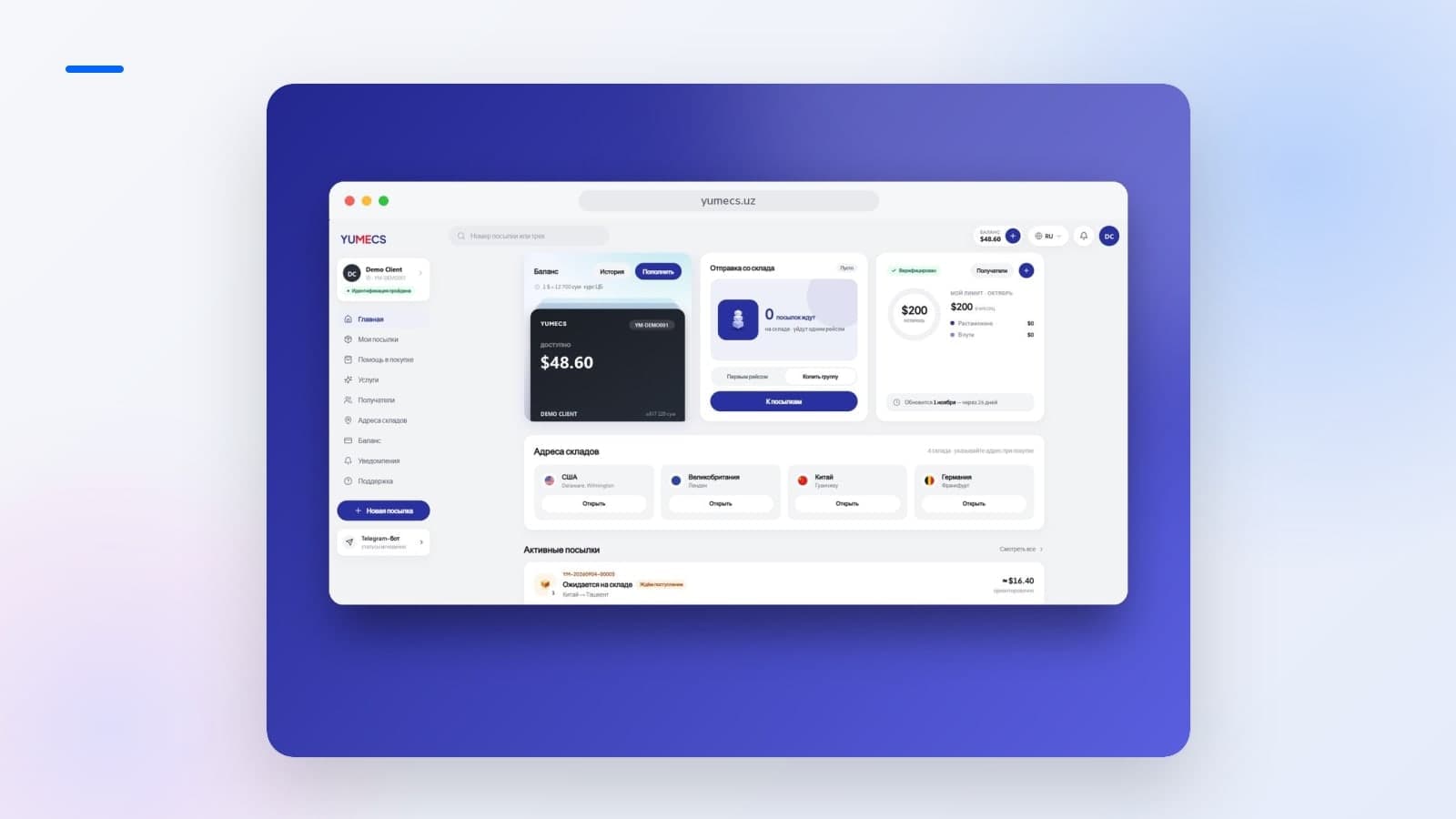
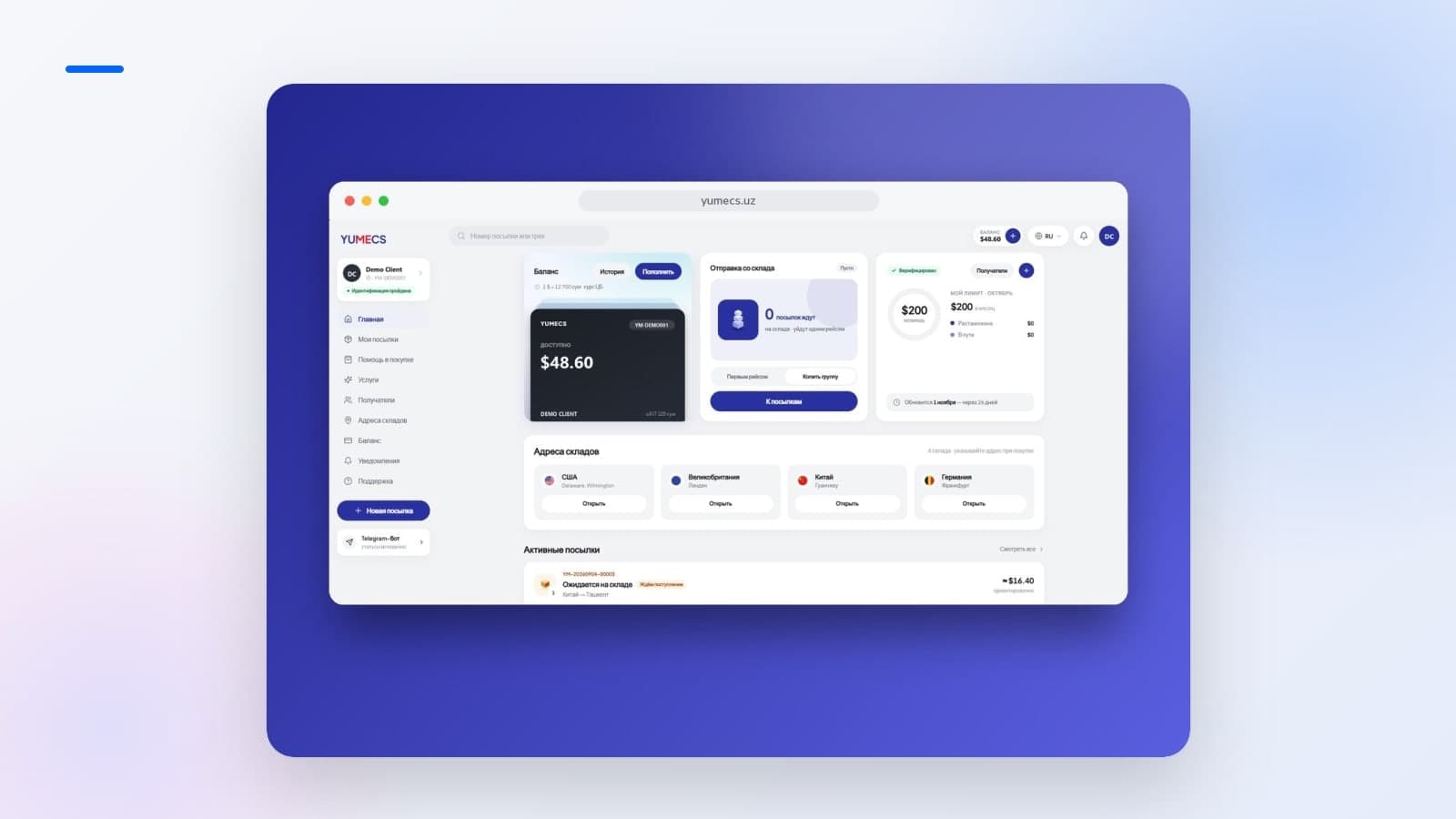
Across client projects at NDC, we often see teams struggle with cluttered, unintuitive systems. When designing an automation platform for the international delivery service YUMECS, we routed balances, status updates, and alerts into a streamlined client portal and a Telegram bot, removing repetitive support questions. The same logic works wonders on the factory floor: seamstresses prefer receiving daily wage updates straight in Telegram without pulling the line manager away from work. For an in-depth look at end-to-end industrial software, read our guide on ERP solutions for textile factories in Uzbekistan.
Frequently asked questions
How does piecework tracking software prevent inflated numbers and duplicate claims?
The system generates a unique identifier for every operation tied to a specific cut bundle. Once an operator scans the sleeve attachment code for bundle #45, the software locks that operation against re-scanning and alerts the floor supervisor if another worker attempts to claim it.
Can a standard HR platform work for an apparel manufacturing business?
Off-the-shelf HR platforms are designed for basic personnel records and biometric clock-in hours. Apparel manufacturing requires dedicated tools built around operation routing (SAM), routing slips, and piecework (ishbay) calculation, because fixed hourly salaries are rarely used on garment production lines.
How long does it take to implement piecework time and output tracking in a sewing workshop?
Based on our implementation experience and market benchmarks, rolling out a basic mobile tracking setup for a small workshop takes 3 to 7 business days. A full-scale plant deployment with barcode scanners, floor dashboards, and 1C integration for 50 or more workers takes 2 to 4 weeks.
Can a sewing workshop calculate piecework wages using a Telegram bot?
Yes. For boutique workshops, this is often the most practical option. The line manager or worker scans the QR code with their phone camera, the bot logs the finished bundle, and the shop owner sees a centralized summary and daily output for every team member in a private chat.
If you want to automate piecework payroll, stop overpaying on labor, and connect your sewing floor to management reporting, check out our service for CRM development and implementation or get in touch via our contacts page. We will evaluate your shop's operations and design the right setup for your business.